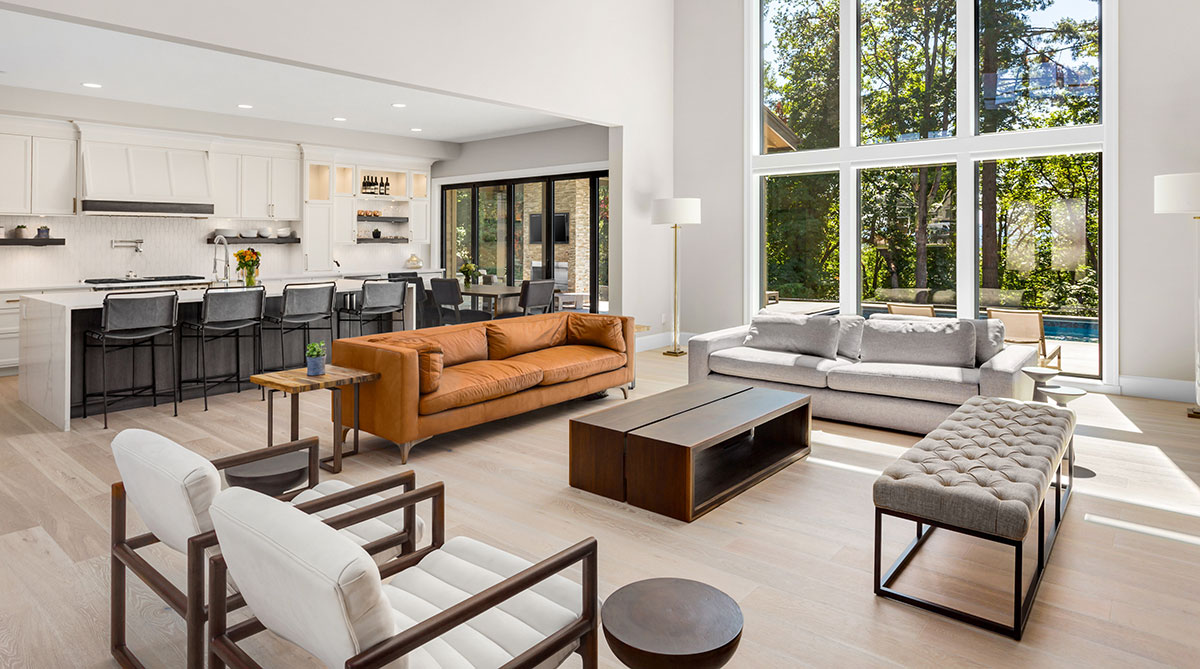
Designing a home that lasts is about more than picking the right paint color or choosing fancy fixtures. It is about combining thoughtful design, quality materials, and attention to detail. Over my decades in the construction and remodeling business, I have learned that the homes that truly stand the test of time are those that balance style, functionality, and durability. In this post, I want to share some practical tips and insights that can help anyone planning a remodeling project or building a home that will serve them for years to come.
Start With a Plan
The first step in any successful remodeling project is a solid plan. I always tell my clients that a project without a plan is like building a house without a foundation. Take the time to think through your goals, priorities, and how you want to live in the space. Consider not just what you need today, but what you might need five, ten, or even twenty years from now.
A thoughtful plan includes a clear layout, a realistic budget, and a timeline that accounts for every phase of construction. When I work with clients, I focus on making sure every detail is considered. This includes things like traffic flow, natural light, storage solutions, and future adaptability. A well-planned project minimizes surprises and helps ensure the end result is both beautiful and functional.
Invest in Quality Materials
One of the most important lessons I have learned is that quality materials make a huge difference in the longevity of a home. It may be tempting to choose the least expensive options to save money, but in the long run, low-quality materials often lead to repairs and replacements. When selecting materials, consider durability, maintenance, and how well they will age over time.
For example, solid wood cabinets and natural stone countertops may cost more upfront, but they last longer and often look better as they age. Flooring should be chosen not only for style but for how it will wear over years of daily use. Plumbing, electrical, and structural materials also need to be top-notch. Investing in quality up front saves money, stress, and headaches later.
Design for Functionality
A home should work for the people who live in it. Functionality is just as important as style. Think about how you use each room and what features will make your life easier. For kitchens, this might mean optimizing the work triangle or adding extra storage. For bathrooms, consider durability and ease of cleaning. In living areas, focus on flexibility so spaces can serve multiple purposes.
It is also important to consider future needs. Families grow, lifestyles change, and a home should be able to adapt. Simple design choices like adding extra outlets, planning for additional storage, or designing open spaces that can be reconfigured can make a home functional for decades.
Focus on Timeless Style
Trends come and go, but classic design endures. While it is tempting to follow the latest styles, I always advise clients to prioritize timeless elements that will not look dated in a few years. Neutral colors, simple lines, and high-quality finishes tend to age well. Statement pieces and personal touches can still reflect your personality, but the overall design should be built to last.
Paying attention to scale, proportion, and balance also helps create a home that feels cohesive and inviting. Details like moldings, cabinetry, and lighting should complement the overall design rather than overpower it. A timeless home is one that feels comfortable, functional, and beautiful regardless of changing trends.
Work With Experienced Professionals
Even the best plan and materials will fall short without skilled professionals to bring them to life. I have spent decades learning the value of experienced tradespeople. Whether it is carpenters, electricians, or plumbers, hiring professionals who take pride in their work ensures that every detail is executed correctly.
I always encourage homeowners to be involved and ask questions during the remodeling process. A hands-on approach helps catch potential issues early and keeps the project on track. Communication and trust between the homeowner, designer, and construction team are key to achieving a successful outcome.
Think About Maintenance
A home that lasts is one that is well cared for. Part of designing for longevity is making maintenance easy. Choose materials and finishes that are durable and easy to clean. Plan for proper drainage, ventilation, and insulation to prevent common problems like water damage or mold. Regular maintenance, combined with quality construction, keeps a home looking and functioning well for years.
The Reward of a Lasting Home
There is a unique satisfaction that comes from walking into a home that is not only beautiful but built to last. Homes designed with care, quality, and thoughtfulness serve their owners well and often become places where memories are made for generations. Seeing the joy on a client’s face when their vision is realized is one of the most rewarding parts of my work.
Designing homes that stand the test of time requires planning, attention to detail, quality materials, and skilled professionals. But the result is worth every effort. A home is more than a structure. It is a space where life happens, and when it is designed with care, it can remain functional, beautiful, and welcoming for decades.