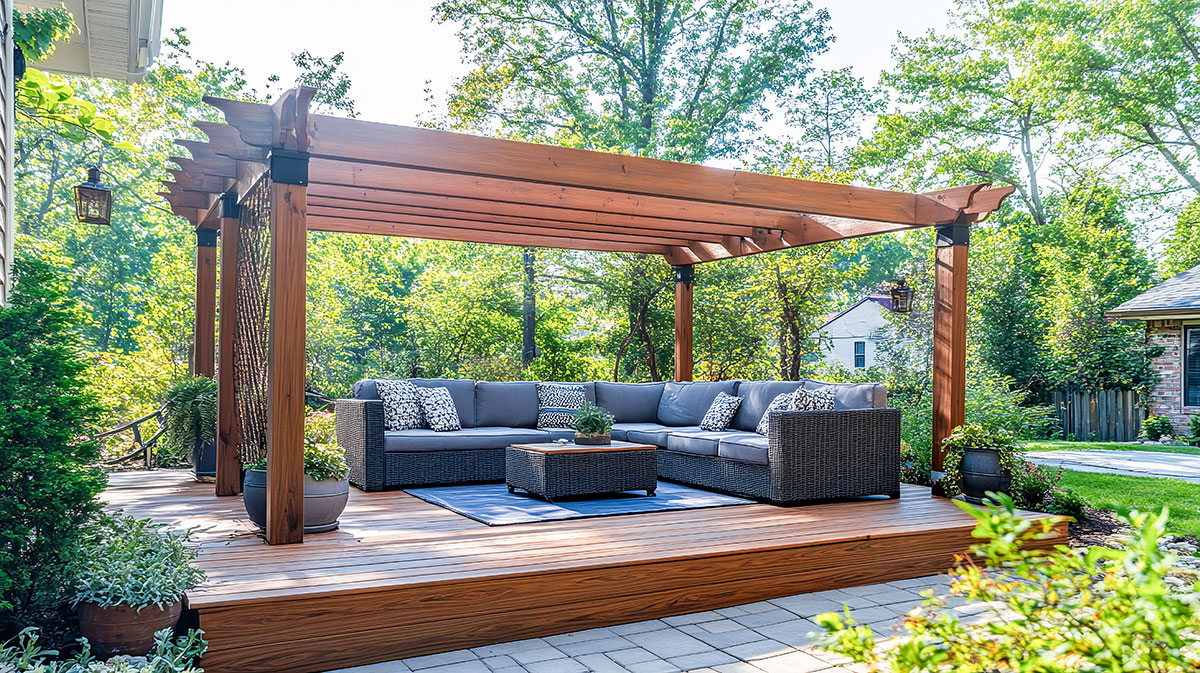
Outdoor living spaces have become one of the most important features of a home. A well-designed deck, patio, or screen porch can transform how a family uses their property, provide a relaxing retreat, and even increase resale value. Over the years, I have helped homeowners create outdoor spaces that are functional, beautiful, and built to last. In this blog, I want to share some tips and lessons from my experience to help anyone considering adding an outdoor living area.
Start With a Clear Purpose
The first step in designing any outdoor space is understanding how it will be used. Is it for entertaining large groups, quiet family dinners, or relaxing alone with a book? The purpose will dictate the size, layout, and features you include.
For example, a deck designed for outdoor entertaining might need space for a grill, a dining table, and seating areas. A screened porch for relaxing could include comfortable chairs, ceiling fans, and protection from insects. Defining the purpose upfront ensures that the space meets your needs and provides lasting enjoyment.
Consider Materials Carefully
Materials are critical when building an outdoor space. The wrong choice can lead to early wear, warping, or costly maintenance. I recommend using durable, weather-resistant materials that can withstand sun, rain, and seasonal changes.
For decks, pressure-treated wood, composite decking, or hardwoods like ipe are excellent choices. They hold up well over time and require minimal upkeep. For patios, stone, brick, or high-quality pavers provide both durability and aesthetic appeal. Screen porches require materials that resist moisture, including treated lumber, aluminum framing, and quality mesh for screens. Investing in quality materials from the start saves money and frustration in the long run.
Plan for Function and Flow
A successful outdoor space functions as an extension of the home. Consider how people will move through the space and how it connects to the interior. Direct access from the kitchen to a deck or patio makes entertaining easier. Screened porches near the living room allow for year-round enjoyment.
Traffic flow is especially important when designing for gatherings. Avoid obstacles that impede movement and ensure that seating areas are arranged for conversation and comfort. Planning the layout carefully ensures that the space is practical and enjoyable.
Focus on Structural Integrity
Durability begins with solid construction. Decks, patios, and porches must be built on strong foundations and with proper support. For decks, this means secure posts, joists, and beams installed to code. Patios require a stable base and proper drainage to prevent shifting or water pooling. Screen porches need a sturdy frame to support roofing, siding, and screens.
I supervise every project personally to ensure that structural elements are properly installed. Attention to these details protects the investment, enhances safety, and ensures that the space will last for decades.
Think About Comfort and Features
An outdoor space should be comfortable as well as functional. Shade, seating, and protection from the elements are essential. Pergolas, umbrellas, and screens can provide relief from sun and bugs. Built-in seating, outdoor lighting, and ceiling fans enhance usability and create a welcoming environment.
Adding thoughtful features like storage benches, planters, or integrated lighting can elevate the experience and make the space more inviting. Comfort and convenience are what keep families and guests enjoying the space year-round.
Blend Style With the Home
Outdoor spaces should complement the style of the home. Materials, colors, and design elements should harmonize with the interior and exterior architecture. A modern home may benefit from sleek composite decking and minimalist furniture, while a traditional home might call for natural wood, stone, and classic railings.
Consistency in design creates a cohesive look that adds visual appeal and value. The goal is to make the outdoor space feel like a natural extension of the home rather than an afterthought.
Plan for Longevity
When building outdoor spaces, think long-term. Proper maintenance, durable materials, and quality construction all contribute to longevity. Regular cleaning, sealing wood, checking fasteners, and addressing minor issues early will ensure the space remains attractive and safe for years.
A space built to last not only provides enjoyment but also adds lasting value to the home. Future buyers notice well-constructed outdoor areas and often consider them a major selling point.
Decks, patios, and screen porches can transform a home and enhance the lifestyle of the people living there. By focusing on purpose, materials, function, structural integrity, comfort, style, and long-term maintenance, homeowners can create outdoor spaces that provide enjoyment for years and increase property value.
I have seen countless projects where careful planning and attention to detail made all the difference. Outdoor spaces are not just additions to a house; they are places where families gather, memories are made, and homes truly come alive. Investing in a well-built, thoughtfully designed space is always worth it, and with the right approach, these areas will continue to bring value and joy for decades to come.