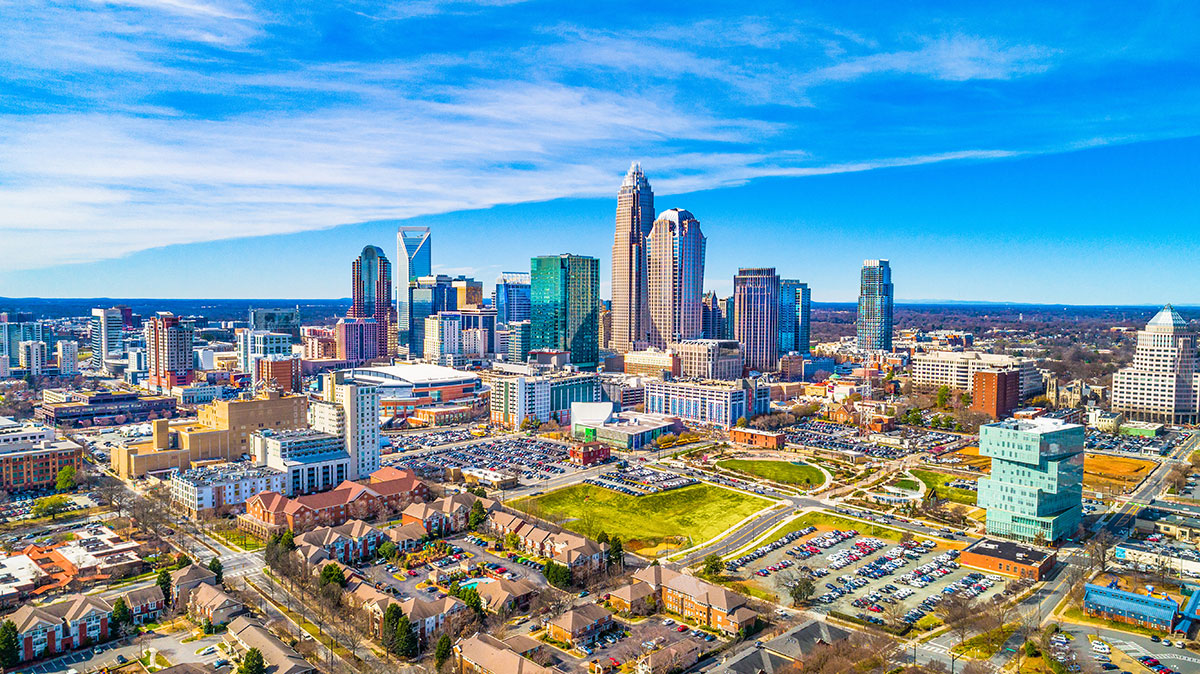
Living and working in the Carolinas has taught me one thing very clearly. Climate matters. The heat, humidity, and seasonal changes we deal with here are not just background conditions. They directly impact how homes are built, how materials perform, and how long a renovation will last.
Over the years, I have seen what works and what does not when it comes to remodeling in this region. If you are planning a renovation, it is important to understand how the local climate affects your home and what you can do to protect your investment.
Understanding the Impact of Heat and Humidity
The Carolina climate brings long, hot summers with high humidity levels. That combination puts stress on materials, especially in kitchens, bathrooms, and outdoor spaces. Wood expands and contracts. Moisture builds up in areas that are not properly ventilated. Over time, this can lead to warping, mold, and general wear.
When I plan a project, I always consider how materials will react to these conditions. Choosing the right products and installing them correctly makes a big difference in how well a space holds up over time. Heat and humidity are constant factors, so your home needs to be prepared to handle them.
Choosing Materials That Can Handle the Climate
Material selection is one of the most important decisions in any remodel, especially in a humid environment. I recommend materials that are designed to resist moisture and temperature changes.
For flooring, tile and luxury vinyl tend to perform better than traditional hardwood in areas exposed to moisture. In kitchens and bathrooms, quartz countertops and properly sealed surfaces hold up well against humidity and daily use. Cabinets should be made with quality construction and finishes that resist warping.
For outdoor spaces like decks and porches, composite materials or treated wood are good choices. These materials are built to withstand sun, rain, and humidity without breaking down quickly. Investing in the right materials upfront saves a lot of maintenance and replacement costs later.
Proper Ventilation Is Essential
One of the biggest issues I see in homes is poor ventilation. In a humid climate, ventilation is critical for maintaining indoor air quality and preventing moisture buildup. Bathrooms, kitchens, and laundry areas need proper exhaust systems to remove moisture and keep the space dry.
Attics and crawl spaces also need to be ventilated correctly. Without proper airflow, heat and moisture can build up, leading to mold, mildew, and even structural damage. During a remodel, I always check ventilation systems and recommend upgrades when needed. It is one of the most effective ways to protect a home in this climate.
Managing Seasonal Changes
While summers are hot and humid, the Carolinas also experience cooler winters and seasonal shifts. These changes cause materials to expand and contract, which can affect everything from flooring to cabinetry.
Proper installation techniques are key to handling these changes. Leaving the right spacing for expansion, using flexible materials where needed, and ensuring a solid structural base all help prevent issues. It is not just about how something looks when it is finished. It is about how it performs over time through different seasons.
Protecting Outdoor Spaces
Outdoor living is a big part of life in this region, so decks, patios, and screen porches are popular additions. These spaces take the brunt of the weather, so they need to be built with durability in mind.
Proper drainage is essential to prevent water from pooling. Materials need to resist fading, warping, and moisture damage. Fasteners and hardware should be corrosion-resistant to handle humidity and rain.
I always design outdoor spaces to be both functional and resilient. A well-built deck or porch should provide comfort and enjoyment without constant repairs.
The Importance of Sealing and Insulation
Sealing and insulation play a major role in protecting a home from the elements. Air leaks allow humidity to enter, which can lead to moisture problems and higher energy costs. Proper insulation helps regulate indoor temperatures and reduces the strain on heating and cooling systems.
During remodeling, I pay close attention to sealing gaps around windows, doors, and other openings. Upgrading insulation where needed improves comfort and efficiency. These steps may not be visible, but they have a big impact on how a home performs.
Long-Term Maintenance Matters
Even with the best materials and construction, regular maintenance is important in a climate like this. Sealing wood surfaces, checking for moisture issues, and keeping ventilation systems clean all help extend the life of a renovation.
I always advise homeowners to stay proactive. Small issues caught early are much easier and less expensive to fix than major problems that develop over time.
Remodeling in the Carolinas requires more than good design and craftsmanship. It requires an understanding of the environment and how it affects every part of a home. Heat, humidity, and seasonal changes are constant factors, and they need to be considered in every decision.
By choosing the right materials, ensuring proper ventilation, planning for seasonal movement, and focusing on durability, homeowners can create spaces that not only look great but also stand the test of time.
Over my years in construction, I have seen the difference that climate-conscious planning makes. Homes that are built and remodeled with these factors in mind perform better, require less maintenance, and provide greater comfort.
At the end of the day, a successful remodel is not just about appearance. It is about creating a space that works well in the environment it is in. When you build with the Carolina climate in mind, you protect your investment and create a home that will last for years to come.